
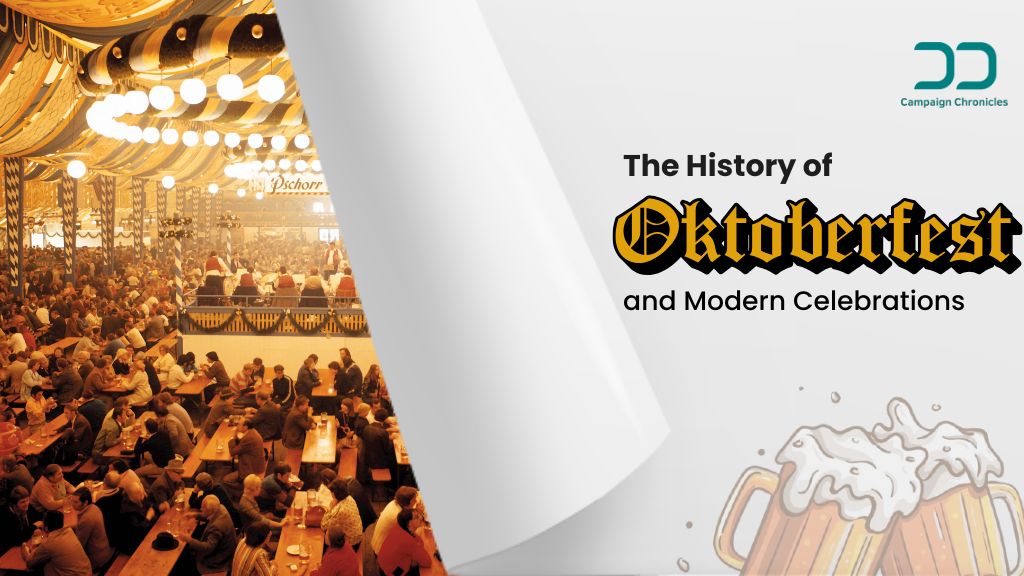
The History of Oktoberfest and Modern Celebrations
Every year, millions of people across the world don lederhosen and dirndls, raise their steins, and gather to celebrate Oktoberfest, the world’s most famous German festival. But have you ever wondered how this festival began and why it has become a global celebration? From its royal Bavarian origins to modern festivities in cities from Munich to Mumbai, Oktoberfest has evolved into a vibrant celebration of culture, food, and community.
The Origins of Oktoberfest
Oktoberfest traces its beginnings back to 1810 in Munich, Germany, where the festival was held to celebrate the marriage of Crown Prince Ludwig and Princess Therese of Saxony-Hildburghausen. The citizens of Munich were invited to join in the festivities, which included horse races, music, and traditional Bavarian foods. This public celebration became so popular that it evolved into an annual event, gradually transforming into the Oktoberfest we know today.
Early Oktoberfest festivities were deeply rooted in Bavarian traditions, with locals gathering for parades, fairs, and cultural performances. Over the years, the festival expanded to include amusement rides, beer tents, and games, solidifying its place as one of the most famous German festivals. Today, Oktoberfest begins in late September and continues into early October, a timing chosen for favorable weather conditions, which explains why many people wonder, “Why is Oktoberfest in September?”
Traditional Oktoberfest Practices
Oktoberfest is not just about beer, it’s an immersive cultural experience. Here are some of the traditional practices that have been maintained for over 200 years:
Beer and Food
The festival is renowned for its Oktoberfest beer, brewed specially by Munich breweries to coincide with the event. Alongside the beer, you’ll find iconic Bavarian foods like pretzels, sausages, roast chicken, and potato dishes. These traditional foods have become synonymous with Oktoberfest worldwide, ensuring the festival’s culinary legacy continues.
Attire
The traditional Oktoberfest outfit is an essential part of the celebration. Men typically wear lederhosen, while women don dirndls. Women’s Oktoberfest outfits come in a variety of styles, often featuring colorful skirts, blouses, and aprons. Dressing in traditional attire adds authenticity to the celebration and makes it a vibrant, visually stunning festival.
Music and Parades
Music is at the heart of Oktoberfest. Brass bands play traditional Bavarian folk music while festival-goers dance and sing along. The festival’s grand parades showcase cultural heritage, with participants dressed in traditional clothing, carrying flags, and riding decorated horse-drawn carriages.
Modern Oktoberfest Celebrations Around the World
While Oktoberfest started as a Bavarian wedding celebration, it has grown into a global festival, celebrated in cities from London to Tokyo. Modern Oktoberfest celebrations often include beer tasting, live music, themed parties, and family-friendly activities.
Oktoberfest London
In London, Oktoberfest is celebrated with a mix of traditional German music, foods, and drinks. Attendees can enjoy beer halls, German sausages, and pretzels while experiencing a touch of Bavarian culture far from Germany.
Oktoberfest 2025 and 2026
Oktoberfest in Munich continues to attract millions of visitors every year. Oktoberfest 2025 is scheduled from September 20 to October 5, and plans for Oktoberfest 2026 are already in motion. Visitors can expect large beer tents, parades, and a mix of traditional and modern entertainment.
Virtual Celebrations
The rise of virtual events has made it possible for people worldwide to participate in Oktoberfest celebrations. Online beer tastings, cooking tutorials, and live-streamed concerts allow enthusiasts to join the festivities even if they cannot travel to Munich.
Oktoberfest in India
Oktoberfest has also made its mark in India, with celebrations growing in cities like Mumbai, Bangalore, Delhi, and Pune. These festivals combine traditional Bavarian elements with local cultural adaptations:
- Mumbai Oktoberfest features large beer tents, live music, and authentic German food. Attendees often wear traditional outfits, making it a fun and immersive experience.
- Oktoberfest Bangalore includes craft beers, pretzels, and sausages, alongside Indian cuisine inspired by Bavarian dishes.
- Other cities like Delhi and Pune host Oktoberfest-themed events in hotels, breweries, and cultural venues.
For those in India searching for “Oktoberfest near me,” these events provide a perfect opportunity to experience German culture without leaving the country. Oktoberfest India events are gaining popularity every year, attracting both locals and expatriates eager to celebrate this festive season.
At campaign chronicles, we explore how global festivals like Oktoberfest inspire cultural and marketing campaigns. Visit our homepage to see how we bring such ideas to life.
Fun Facts About Oktoberfest
Oktoberfest is full of fascinating facts and traditions:
- The largest beer tent at Munich Oktoberfest can hold over 10,000 people.
- Over 7 million liters of beer are consumed during the festival each year.
- The traditional parade includes horse-drawn carriages, local music, and thousands of participants in authentic Bavarian attire.
- Pretzels, sausages, and roast chicken are staples, representing Bavarian culinary heritage.
- Oktoberfest has inspired similar events worldwide, from Oktoberfest London to themed festivals in Asia, Australia, and North America.
These fun facts highlight why Oktoberfest continues to be one of the most famous German festivals, attracting visitors from all over the globe.
How to Celebrate Oktoberfest at Home
Even if you cannot attend a festival in Munich or India, you can celebrate Oktoberfest at home:
- Attire: Dress in traditional Bavarian outfits. Women’s Oktoberfest outfits can range from elegant dirndls to casual festival attire.
- Food and Drink: Prepare classic Oktoberfest dishes like sausages, pretzels, and potato salad. Pair them with your favorite beer.
- Decor: Decorate with blue-and-white Bavarian patterns, flags, and fairy lights to create a festive atmosphere.
- Music: Play traditional Bavarian folk songs or modern Oktoberfest playlists to enhance the experience.
- Games and Activities: Include beer pong, stein-holding competitions, or trivia about Oktoberfest to entertain guests.
This way, you can experience the joy of the Oct festival from the comfort of your own home.
Planning Your Visit to Oktoberfest Munich
For those who want the full experience, visiting Oktoberfest Munich is a must:
- Dates: The festival typically starts in late September and ends in early October (October festival date).
- Activities: Enjoy beer tents, parades, carnival rides, traditional Bavarian foods, and cultural performances.
- Tips: Book accommodations in advance, dress in traditional attire, and plan your visit around major events to make the most of your experience.
Even if you cannot travel to Germany, cities like London, Mumbai, Bangalore, and other Indian cities offer authentic experiences that capture the festival’s spirit.
Conclusion
From its royal Bavarian beginnings to its modern global celebrations, Oktoberfest has become more than just a beer festival; it is a celebration of culture, tradition, and community. Whether you are attending Oktoberfest Munich, enjoying Mumbai Oktoberfest, or hosting your own Oct festival at home, there is something for everyone.
As Oktoberfest continues to grow worldwide, including Oktoberfest India events and celebrations in cities like Bangalore and Delhi, it remains a festival that brings people together, uniting them through music, food, beer, and cultural heritage. So, grab your stein, put on your Oktoberfest outfit, and join in the festivities because the spirit of Oktoberfest is something everyone should experience at least once in their lifetime.
Enjoyed learning about Oktoberfest? Explore our other blogs for more cultural stories, event insights, and marketing case studies
No responses yet