
How Cookd Masala Launch Feel Like Prime-Time Entertainment
Marketing, when done right, doesn’t just sell products — it sparks conversations, builds communities, and sometimes, creates cultural moments.
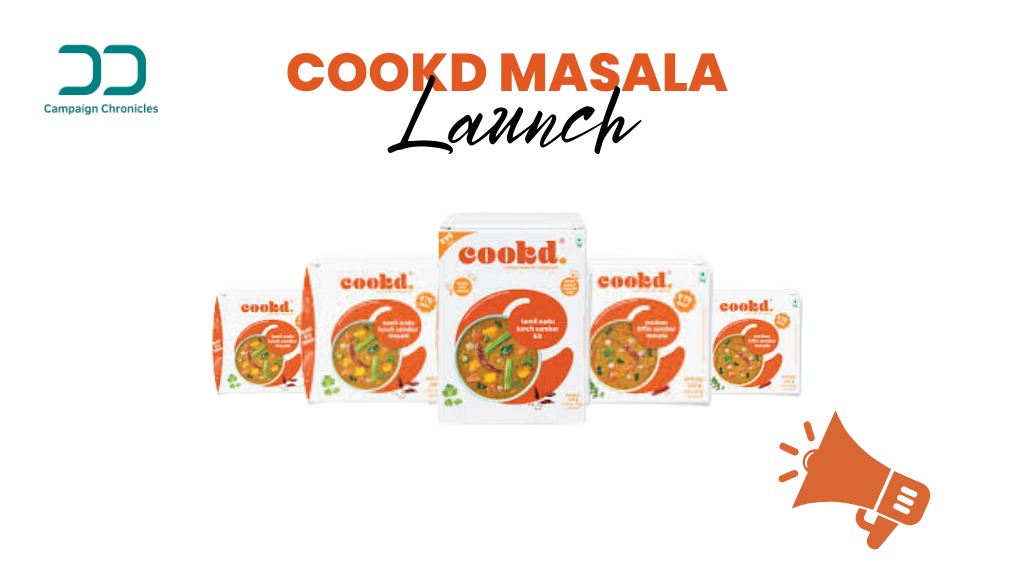
That’s exactly what happened when Cookd launched its Sambar Masala.
What could have been just another product on a supermarket shelf turned into something much bigger. Cookd didn’t sell masala — they created a festival around sambar.
It all began with a simple, audacious question plastered across Chennai’s busiest roads:
“Puli illama sambar pannalama?” (Can you make sambar without tamarind?)
The city laughed, argued, and debated. Social feeds lit up. A humble masala packet had just sparked a cultural conversation.
And this was just the beginning…
Who is Cookd?
Cookd is a food company that first started as a digital channel called Cookd TV. They shared easy cooking recipes and everyday food videos that people could relate to.
Soon, their content started getting attention for being fun and different. One of their reels “Fish Kulambu Without Fish” — went viral and was watched by thousands, including top business people. That’s when many started noticing Cookd as more than just a recipe page.
From making videos, they moved into selling food products like ready-to-cook kits and masalas. What makes them different is the way they present everything — with creative, crisp, and unique content that feels more like entertainment than advertising.
Today, Cookd is known not just for food, but for turning everyday cooking into something exciting and share-worthy.
The Billboard That Made Chennai Stop and Think
It all began with a question.
Across the busiest streets of Chennai, people suddenly saw bold billboards that read:
“Puli illama sambar pannalama?” (Can you make sambar without tamarind?)
It wasn’t a brand logo. It wasn’t a product shot. Just one simple line that made people pause, smile, and argue about it. Some laughed, some debated at tea shops, some even took pictures and shared it on WhatsApp groups. Within hours, the question spread across social media like wildfire.
This was not just an ad, it was a conversation starter. And that’s what made it powerful. Cookd knew that sambar is more than just food in Tamil Nadu; it’s an emotion. By challenging that emotion with a playful provocation, they created curiosity before even talking about the product.
Many people commented online saying things like, “Who would even think of making sambar without tamarind?” and “This can’t be real, it has to be a prank!” That mix of humor, shock, and confusion turned a simple billboard into a marketing story worth talking about.
What makes it even smarter is that the message was universal. Whether you were a foodie, a passerby, or someone scrolling Instagram, you couldn’t help but stop and think about it.
And that’s where Cookd won — before selling a single packet of masala, they sold curiosity.

When the Streets Started Talking
After the billboards grabbed attention, Cookd took the next step — they brought the conversation to the streets.
A VJ (video jockey) walked around Chennai, asking random people a playful but loaded question:
“Can you imagine sambar without tamarind?”
The reactions were priceless. Some people laughed out loud, others looked shocked, and a few even got a little defensive about their beloved sambar. It was real, unscripted, and funny — the kind of content that feels authentic because it captures everyday people and their honest emotions.
One person joked, “Sambar without tamarind? That’s like coffee without decoction!” Another shook their head and said, “Impossible! That’s not sambar at all.”
These street interviews did more than just entertain. They turned a billboard question into a public debate. Suddenly, it wasn’t just an ad on a wall — it was something being discussed in homes, offices, and buses across the city.
By putting the camera on ordinary people, Cookd made the campaign relatable. Everyone who watched the videos could see themselves in those reactions — the laughter, the disbelief, the love for food. And because the content felt so natural, it was instantly shareable.
This “street buzz” gave the campaign a human touch. It wasn’t the brand speaking anymore. It was the people of Chennai carrying the message forward, and that made it even more powerful.
When News Turned into Masala
Just when the city was buzzing with debates about tamarind and sambar, Cookd added another twist. This time, they brought in a familiar face — Sun TV’s Rathna Sivaraman, a popular anchor known for her serious news delivery.
In the video, Rathna appeared as if she were reporting a breaking news marketing story. With her trademark tone, she explained the mystery behind the bold billboards and the question that had puzzled Chennai: “Can sambar be made without tamarind?”
The magic was in the contrast. Viewers were used to seeing her report on politics, crime, and important events. Suddenly, she was speaking with the same intensity about… sambar masala!
This unexpected twist was hilarious, yet brilliant. People shared the video saying things like, “Only Cookd can turn sambar into prime-time news!” The spoof felt authentic because it borrowed from real Tamil news culture, making the ad both entertaining and relatable.
Very quickly, the video went viral. It wasn’t just foodies watching — families, office groups, and even older audiences who usually skip brand videos were now forwarding this clip. The reason? It didn’t feel like an ad. It felt like part of everyday life.
With this move, Cookd proved that smart storytelling can make even a cookd masala launch look like a headline event.
When the Founder Became the Storyteller
In most product launches, the CEO stays in the background. But Cookd’s Aathitiyan did the opposite — he stepped right into the spotlight and became the face of the campaign.
One of the most talked-about videos had him sitting in a chair, much like the famous scene from Pradeep Ranganathan’s “Love Today”, where multiple dreams and scenarios unfold while checking chats. In Cookd’s version, Aathitiyan imagined the doubts and perceptions people had about Cookd — and then addressed them head-on.
The biggest concern? “Cookd is costly.”
His answer was simple and direct:
- ₹35 sachets for single use
- ₹70 twin packs for families
- ₹99 kits with cooked dal for convenience
By introducing this range, he cleverly broke the price barrier and showed that Cookd was for everyone.
But he didn’t stop there. Aathitiyan took on multiple avatars, a salesman, a politician (through the hilarious Cookd Munetra Kazhagam spoof), Mahatma Gandhi’s danti yatra spoof ( Puli yatra) and even a delivery boy. Each role was playful, yet purposeful, making the brand feel approachable and fun.
The cherry on top? He even recreated the famous Harpic ad, but swapped toilet cleaner with sambar masala — a funny, bold twist that quickly caught people’s attention.
Through all this, one thing stood out: authenticity. When a founder speaks directly to customers, takes risks, and even laughs at himself, the message feels real. It feels like a conversation, not just an ad.
Cookd proved that when the founder becomes the storyteller, the brand becomes more human, more relatable, and much harder to ignore.

Opening the Factory Doors
While Aathitiyan was busy playing salesman, politician, press meet, Danti yatra spoof and even delivery boy, Cookd’s co-founder Sanjana took a different route. She invited people straight into the heart of the brand — the factory.
In a simple yet powerful reel, Sanjana walked viewers through the manufacturing process of Cookd’s ready-to-cook kits and masalas. There were no flashy edits, no over-the-top scripts — just a clean, behind-the-scenes look at how the products are made.
Viewers could see the ingredients, the care in packaging, and the systems that kept everything hygienic and consistent. In a world where food brands are often questioned for quality, this factory transparency instantly built trust.
Comments on the reel reflected what people felt: “Good to know what goes inside before it reaches our kitchen” and “Finally, a brand that shows us the real process.”
By pulling back the curtain, Sanjana turned what could have been a routine “factory tour” into a storytelling moment. It wasn’t about machines and production lines — it was about trust, credibility, and honesty.
And sometimes, that’s the most powerful marketing tool of all.
When Memes Became Masala
If there’s one language the internet loves, it’s memes. And Cookd knew exactly how to speak it.
To keep the buzz alive, they launched a dedicated meme page called “Sambar Veriyan” (loosely meaning “crazy about sambar”). What started as a fun experiment quickly turned into a community — the page shot up to 87K+ followers in no time.
The memes were hilarious, relatable, and rooted in everyday Tamil culture. From playful takes on cooking habits to inside jokes about sambar, each post struck a chord with young audiences. It proved something powerful: sometimes, memes can sell masalas better than posters.
But Cookd didn’t stop at just memes. They teamed up with creators like Neeraj Elango and Peppa Foodie, both loved by food enthusiasts. These collaborations gave the campaign a natural push into foodie communities, making Cookd feel less like a brand and more like a friend who shares jokes and recipes.
By building this meme-driven community, Cookd wasn’t just advertising a product — they were creating a space where food and fun came together. And that made people stick around long after the first laugh.
From Streets to Supermarkets:
Cookd didn’t keep the campaign only online. They stepped into the real world and turned everyday moments into unforgettable experiences.
One morning on Chennai’s busy OMR road, commuters were surprised to see a tiffin kadai serving hot sambar — for free. No flashy banners, no hard sell. Just steaming cups of comfort food handed out with a smile. What looked like a simple act of generosity soon became a social media moment. People clicked photos, shared stories, and praised the brand for adding warmth to an ordinary commute.
But the brilliance didn’t stop there. Cookd also changed how people saw their product inside supermarkets. At Grace Supermarket, they placed Cookd’s Sambar Masala right next to murungakkai (drumsticks) with the tagline:
“Cookd Sambar Masala +Murungakkai = Perfect Jodi ”
To make it even more creative, the drumsticks themselves carried stickers saying: “I taste better with Cookd Sambar Masala.”
Why drumsticks? Because Cookd knew the numbers. Out of every 100 murungakkai bought, 90 end up in sambar. The rest may go into puli kulambu, kootu, or other dishes — but for most households, drumstick and sambar are inseparable. By placing their masala right next to murungakkai, Cookd wasn’t just selling a spice mix. They were connecting directly to the purpose of the purchase.
This clever mix of offline stunts and retail theater proved that marketing isn’t just about ads. It’s about being present where people live, shop, and eat — and turning those ordinary spaces into storytelling stages.
Engagement Beyond Sales
Cookd knew that a launch doesn’t end with a billboard or a reel. To keep people hooked, they filled the campaign with little surprises and extras that made every interaction feel special.
Before the official launch, they even staged press meet spoofs that looked so real, people thought something big was happening. This playful build-up created excitement and drove many to pre-book the masala kits.
But the real fun came after pre-booking. Customers who signed up didn’t just get a masala packet — they got an experience. Cookd sent out goodie boxes, designed like unbox gifts rather than ordinary product deliveries. Inside, people found not just masala but small, thoughtful items.
One of the most talked-about inclusions was a food container. On it was a simple but powerful message:
“This is for sharing the food you make with your neighbours.”
It was a gentle nudge to bring back a tradition many of us grew up with — sending a box of hot sambar, biryani, or curry next door. In that moment, Cookd wasn’t just selling a spice mix; they were promoting the culture of sharing food and love.

Why This Campaign Worked
These are the key points that explain why Cookd Masala marketing story worked so well. Each move was creative, culturally rooted, and built a real connection with people.
- Created curiosity first → The billboards made people talk before even showing the product.
- Told the story in many ways → Billboards, reels, memes, street videos, supermarket stunts — all connected to the same idea.
- Founder in front → CEO Aathitiyan came forward, spoke directly, and made the brand feel human.
- Used local culture → Jokes, habits, and Tamil food love made it feel close to people’s hearts.
- Solved price doubts → Showed small packs at ₹35, ₹70, and ₹99 to break the “too costly” belief.
- Showed how it’s made → Sanjana’s factory video built trust and cleared doubts.
- Built a community → Meme page and creator collabs made people join in the fun.
- Did things in real life → Free sambar on OMR road and drumstick placement in stores got people’s attention.
- Added surprises → Goodie boxes, food containers, and spoofs gave joy, not just products.
Keep it consistent → Wherever you saw Cookd online or offline the story stayed the same.
Key Takeaways for Marketers
- Start with curiosity, not selling.
- Tell stories people connect with.
- Put a human face (like a founder, CEO, Manager) to the brand.
- Be transparent — show how things are made.
- Build community with memes, collabs, and fun content.
- Use offline ideas too — samples, stunts, or product placement.
- Explain your pricing clearly.
- Keep your story consistent everywhere.
- Add small surprises to delight customers.
- Aim for cultural impact, not just ads.
Final Thoughts from Repute
Cookd masala campaign shows how bold, culture-driven ideas can make even a simple product unforgettable. By blending humor, transparency, and creativity, they proved that marketing works best when it feels like a story people want to join.
At campaign chronicles, we believe every brand has the power to do this — to move beyond ads and create experiences that spark curiosity and build trust.
👉 Now, over to you — which campaign would you like us to break down next? Tell us in the comments. Join our community.
No responses yet